

Indian Racing Festival: Chennai is all set for historic night races

Chennai, Aug 31: As the Indian Racing Festival 2024 edition is all set to revv up for the country’s first-ever night race, as Chennai gears up for an electrifying weekend that promises to make history with a perfect backdrop of the iconic Island Ground under the twinkling starlight.
FORMULA

 Nestled in the heart of this vibrant metropolis, the 3.5 km street circuit features 19 turns, multiple chicane and fast straights, including the striking Napier Bridge, painted in a chequered flag design as the zooming formula cars and the drivers will zoom by the War Memorial. Presented by Kingfisher Soda and promoted by Racing Promotions Pvt Ltd, the night race will be nothing short of a spectacle and a monumental step forward for Indian motorsports.

 Supported by the Tamil Nadu government, this race aims to elevate Chennai’s status as a motorsport capital by offering fans an unparalleled experience. With packed houses in attendance having close to 9,000 spectators the streets of Chennai will be transforming itself to etch themselves among the global few when it comes to having Night Street Circuit in the world.

 Dr. Atulya Misra, Additional Chief Secretary to Youth Welfare and Sports Development said, ” Lot of efforts have been undertaken to bring this milestone night circuit to life in the streets of Chennai. It is not only a prestigious moment for India but will also propel Chennai and Tamil Nadu in the global map as a strong Motorsports destination. While every effort is going into the smooth execution of the race and create a thrilling street circuit which will not only be a spectacle to watch out for but also will be as competitive as one can imagine. This is not just a race; it’s a celebration of speed, skill, and the spirit of Chennai.”

 With IRL cars expected to exceed speeds of 200 kmph, the street track is set to push drivers to their limits as they strive to master the circuit configurations and maneuver for maximum speed and impact and on the grid which rums amidst multiple landmarks such as the centuries-old Fort St. George and the renowned Marina Beach in the whole stretch.

 “We have done the hard yards to ensure that spectators enjoy the races in comfort and safety, and we are hopeful that India will be able to witness a grand success. We are indeed grateful to the Government of Tamil Nadu, the SDAT team, and every other department that helped us to put this landmark race together,” said Akhilesh Reddy, Chairman and Managing Director of Racing Promotions Private Limited (RPPL), promoters of IRF.

 As the excitement builds for the upcoming Indian Racing League event, some of the participating racers shared their thoughts on what this moment means to them. Their words reflect not only their passion for the sport but also the significance of the event in the broader context of Indian motorsport.

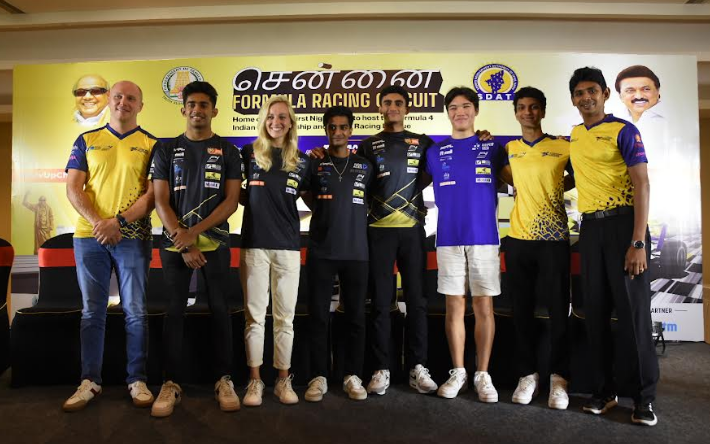
 The six city-based franchise teams of Indian Racing League (IRL)– Chennai Turbo Chargers, Goa Aces JA Racing, Speed Demons Delhi, Bangalore Speedsters, Shrachi Rarh Bengal Tigers, and Hyderabad Blackbirds along with eight teams (includes six teams of IRL and two more teams. Ahmedabad Apex Racers and Godspeed Kochi) will be speeding as part of the FIA Formula 4 India Championships, are all charged up for this historic weekend.

 Chethan Korada, the first Asian racer ever to win a race using prosthetic feet expressed his excitement on getting an opportunity to drive at the night circuit said, “It’s a great honor to be part of this event, and I’m deeply grateful to the government for this incredible opportunity. Racing has been my passion for the last 18 years, and I’ve competed in nearly every motorsport during that time. Reaching this point hasn’t been easy, and I want to thank Arman Ibrahim for the scholarship that made this possible. Racing on roads I’ve known since childhood is truly a dream come true, and I’m looking forward to the race.”

 With experience of driving as part of European Formula 4 teams, India origin driver, Nikhil Bohra who is representing Shrachi Rarh Bengal Tigers said, “It is such a glamorous event that is not only a statement for Indian motorsport, but it’s just a statement around the world. I mean, to do this in a country with over one billion people is next level. I just have a huge respect for everyone who put this together. So, thank you for inviting me back, and I’m looking forward to this weekend.

 The Goa Aces woman driver, Gabriela Jikova who had a podium finish in Round 1 said, “Motorsport, much like on the men’s side, has traditionally been male-dominated, but we’re seeing a significant change. Today, more women are getting involved, and this is evident in the Indian Racing League, where we have a growing number of female participants. Comparing it to my early days in karting, there were far fewer girls back then. It’s exciting to see women’s motorsport growing, and I’m thrilled to be a part of it. We’re doing our best on the track, and I believe we’re doing a great job. Thank you.”

 In the first round at Madras International Circuit on August 24-25, the Bengal Tigers excelled, with all drivers scoring points. Alister Yoong won Race-2, and Ruhaan Alva secured P3 in Race-1. In the Formula 4 segment, Australia’s Hugh Barter rebounded from a last-lap retirement in Race-1 to win the next two races, including a remarkable victory from P15 on the grid.

 The event kicks off at 2 pm on both Saturday and Sunday, offering spectators plenty of entertainment, including car stunts and “hot laps” by bike riders.

JK TYRE-FMSCI INDIAN NATIONAL RACING CHAMPIONSHIP
The Round-2 of the 29th JK Tyre-FMSCI Indian National Racing Championship, made up of Formula LGB4 class with a 24-car grid, will run concurrently, and thus, it will set another landmark by becoming the first domestic motor racing competition to have night races.

 Last weekend’s double-header witnessed some of the closest racing in recent memory, with the low-cost, entry-level Formula cars going wheel-to-wheel at tremendous pace. Dark Don team-mates, Bala Prasath (Coimbatore) and Tijil Rao (Bengaluru) survived the hectic competition to win a race apiece.

 KEY INFORMATIONS FOR SPECTATOR MOVEMENT
To be a part of the first ever night race in Chennai, attendees are directed to specific gates and box offices based on their seating and ticket categories:
● Box Office 1 – Gate No. 2: Serves Grandstand 1, with entry from Muthuswamy Road/Bridge.
● Box Office 3 – Gate No. 4: Serves Grandstands 2, 3, 4 & 5, with parking at Kalavaram Ground and entry from Wallajah Road to Press Club Road.
● Box Office 4 – Gate No. 5: For the Media Stand, meeting at Tamil Nadu State Guesthouse, with entry from Wallajah Road to Press Club Road.
● Box Office 5 – Gate No. 6: Caters to Gold, Platinum, and Premium Lounges, with parking at Madras University and entry from Kamarajar Road.
AI not a threat to human touch in the events industry

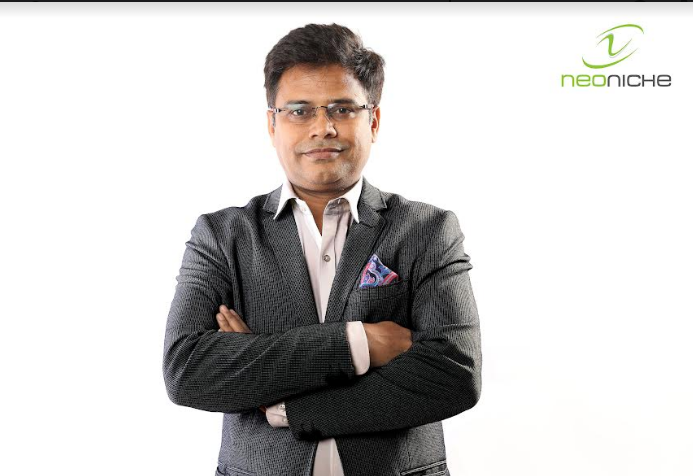
India, 30th August 2024: In a landscape increasingly shaped by automation and artificial intelligence (AI), remarkable opportunities emerge for industries. While reports indicate that AI could displace up to 23% of jobs in India by 2040 and estimate a range of 9% to 26% job losses by 2030, particularly in roles susceptible to automation, Prateek N Kumar, Founder and CEO of NeoNiche Integrated Solutions, India’s leading digital-first, full services experiential-marketing company says that the events industry is poised to harness AI as a powerful ally rather than a threat.

pratik

The essence of events lies in creating memorable experiences, fundamentally requiring human creativity, emotional connection, and logistics management. These irreplaceable qualities manifest through personalization and empathy, which AI cannot replicate. Whether orchestrating a wedding, corporate gathering, or private celebration, the nuances of human relationships and the art of hospitality remain irreplaceable assets.

The Human touch shines through creative expertise and innovation, be it delivering immersive experiences, or continually adapting to trends as per client preferences. This dynamic creativity cannot be programmed or emulated by AI, underscoring the necessity of human skills in these creative processes.

Moreover, the unpredictable nature of events often presents unforeseen challenges requiring quick decision-making and adept problem-solving skills. The experience and intuition of event professionals are central to navigating complex logistics, coordinating multiple vendors, and managing last-minute hurdles. While AI can support these functions, its limitations underscore the need for human oversight.

“In an era where automation and artificial intelligence are reshaping industries, the events sector stands as a testament to the irreplaceable value of human touch. While reports indicate a substantial displacement of jobs due to AI, our industry thrives on the unique blend of creativity, personal connections, and cultural sensitivity—elements that machines cannot replicate. Embracing AI as a powerful ally allows us to streamline operations, enhance customer insights, and optimize resources without undermining the essential human experiences that define remarkable events”, said Prateek N Kumar Founder and CEO of NeoNiche Integrated Solutions.

“By integrating AI thoughtfully, we can create tailored, immersive experiences that resonate deeply with our clients while ensuring our teams can focus on the strategic, creative aspects of event management. ​In this fast-evolving landscape, leveraging AI isn’t just an option—it’s crucial for maintaining competitive advantage and delivering unforgettable experiences.​”, he added.

Actors share their love for Sports and how it enhances their lives! – Sports Day 2024

Sports offer numerous benefits, including improved physical fitness, mental health, and social connections. &TV artists share how their sports activities contribute to their overall well-being.

These include Amit Bhardwaj (Mewa, Bheema), Ashutosh Kulkarni (Krishan Bihari Vajpayee, Atal), Geetanjali Mishra (Rajesh, Happu Ki Ultan Paltan), and Aasif Sheikh (Vibhuti Narayan Mishra, Bhabiji Ghar Par Hai). Amit Bhardwaj, aka Mewa from Bheema, shares, “I love playing chess and cricket. Chess, however, always takes priority for me. Whenever I have some free time, I enjoy playing chess with my children, and friends, or even online when I am alone. For me, chess is more than just a game—it’s a powerful mental exercise. It sharpens memory, enhances quick thinking in challenging situations, and helps the mind work efficiently under pressure. As an actor, I value these problem-solving and memorization skills, which I often apply during shoot. Chess also nurtures positive intuition and deepens my understanding, both on and off the board.”

Ashutosh Kulkarni, aka Krishna Bihari Vajpayee from Atal, shares, “My favourite sport is basketball. It is one sport that I have been playing since my childhood. I was actively involved in my school and college teams, and although I play less often now, I seize every opportunity to hit the court—whether at a public park, residential complex, or hotel. The thrill of scoring and the joy it brings are unmatched. Basketball not only boosts flexibility and concentration but also energizes the body, promotes health, and builds muscle strength. It fosters discipline, teamwork, and quick decision-making, enhancing mental focus. Overall, it offers a full-body workout while being a fun and rewarding activity.”

Geetanjali Mishra, aka Rajesh from Happu Ki Ultan Paltan, shares, “Cricket is more than just a game to me; it’s my passion! As an actor, I have always been fascinated by the discipline, strategy, and teamwork involved in the sport. Playing cricket has taught me valuable life skills like perseverance, focus, and communication. It helped me build confidence, both on and off the field. I’ve learned to handle pressure, think on my feet, and adapt to new situations. Cricket has also given me a sense of camaraderie and friendship that I cherish deeply. What I love most about cricket is the thrill of the game—the excitement of hitting a six or taking a wicket is unmatched! It’s a feeling that’s hard to describe, but it’s what keeps me coming back to the sport time and again.”

Aasif Sheikh, aka Vibhuti Narayan Mishra from Bhabiji Ghar Par Hai, shares, “Cricket has always been a significant part of my life, especially during my school and college days. The game taught me the essence of teamwork, discipline, and perseverance. I remember those early mornings practice sessions with my team, the thrill of every match, and the invaluable lessons I learned on the field. Cricket is not just a sport for me, but a way of life that shaped my character and approach to challenges. The strategic thinking, focus, and stamina required in cricket have greatly benefited me in my acting career. Whether it’s maintaining concentration during shoot or working harmoniously with a diverse cast, the skills I honed on the cricket field continue to serve me well.”

IIMB’s Centre for Public Policy Hosts International Conference, Delivers Growth Roadmap for India

30 August, 2024, Bengaluru: The XIX International Conference on Public Policy & Management, which was hosted by the Centre for Public Policy (CPP) at IIM Bangalore from 27 to 29 August 2024, featured marquee speakers from the national and international arenas, facilitating interaction between policy makers, implementors and researchers through insightful sessions on different dimensions of public policy research and practice. The conference covered contemporary topics on public policy, such as, Emerging Technologies and Policy Implications; Policies on Climate Change and Sustainability in Industry and Agriculture; Policy Challenges in Gig and Platform Economy, and Innovations in Public Policy.

cpp

The interdisciplinary conference comprised academic sessions, topical policy debates, workshops, panel discussions and practitioner-oriented discussions. There were 252 participants from all over India, and 33 papers were presented. The Young Scholars Initiative (YSI) South Asia Working Group collaborated with CPP for a poster session and 21 scholars were invited to present their work at the conference. The Best Poster award was won by Harikrishnan K. S. from IIT Kharagpur, and his work was themed on, ‘Equalization in public provision of education: Evidence from India’.

The sessions comprised insightful and thought-provoking talks led by experts representing diverse sectors. Mr. Suman Bery, Vice Chairperson, NITI Aayog, delivered the inaugural address on, ‘Reaping India’s Demographic Dividend’; Parameswaran Iyer, Executive Director, World Bank spoke on, ‘Public Policy: The Challenges of Implementation and Approaches to Address Them’; Dr. V Anantha Nageswaran, Chief Economic Advisor to the Government of India, discussed ‘Challenges in Generating High Employment in the Era of Rapid Technology Development’; Prof. David Van Slyke, Dean of Maxwell School of Citizenship and Public Affairs at Syracuse University shared his thoughts on, ‘Partnership and Relational Contracting: Rethinking the Governance of Innovation’, and S. Mahendra Dev, Editor, Economic and Political Weekly, delivered the valedictory address on, ‘Future of India: Challenges and Policies for Growth, Inclusion and Sustainability’. He also handed over the Best Poster award to Harikrishnan K. S.

Prof. Ashish Verma, Transportation Systems Engineering, Convenor, IISc Sustainable Transportation Lab, Department of Civil Engineering, Indian Institute of Science, Bangalore, led the pre-conference Prof. M. R. Krishnamurthy Memorial Lecture on 26 August on, ‘Understanding and Harnessing Linkages between Sustainable Transport and Livability for Building Brand Bengaluru’. Prof. Arpit Shah, faculty of the Public Policy area of IIMB, conducted the pre-conference workshop on, ‘Research Using Spatial Data’. The Young Scholars Initiative (YSI) South Asia Working Group collaborated with CPP for the workshop and poster session of the conference. Selected scholars were invited to present their work at the conference.

The organizing committee of this year’s conference comprised Dr. Gopal Naik, Senior Fellow, Chairperson and Jal Jeevan Mission Chair Professor at the Centre for Public Policy, IIM Bangalore; Prof. Anil B Suraj, Chairperson, N.S. Ramaswamy Pre-doctoral Fellowship as well as the Committee on Diversity & Inclusion and faculty of Public Policy at IIMB; Prof. Soham Sahoo, faculty of the Public Policy area of IIMB; Prof. Rajalaxmi Kamath, Chairperson, Internal Committee and faculty of the Public Policy area of IIMB, and Prof. Arpit Shah, faculty of the Public Policy area of IIMB.

The CPP conference also featured IIMB faculty who moderated sessions or addressed the audience. They include, Prof. Rishikesha T Krishnan, Director, IIM Bangalore; Dr. Gopal Naik; Prof. Anil B Suraj, Prof. Manaswini Bhalla, Chairperson, Post Graduate Programme in Management and PGP in Business Analytics and faculty of the Economics area of IIMB, and Prof. Arnab Mukherji, Chairperson, Post Graduate Programme in Public Policy & Management (PGPPM) and faculty of the Public Policy area of IIMB.

The series of expert talks and academic sessions conducted during the CPP conference analyzed India’s domestic weaknesses and strengths as well as challenges and opportunities through the lens of public policy, highlighted the key new drivers of growth and expected outcomes, thereby building a roadmap for India’s development aspirations.

Masters’ Union Hosts Intersect 3.0 to Tackle Skill Gaps and Foster Innovation

Masters’ Union, the new-age practitioner-led business school, successfully concluded the third edition of its flagship event, Intersect. This event brought together global leaders, educators, and industry experts to engage in meaningful discussions on bridging the gap between academia and industry. Focused on addressing India’s skills gap and improving employability, the event featured a series of panels and keynote sessions. Notable speakers included Dr. Edward Rogers, former Chief Knowledge Officer at NASA, Dr. James Oldroyd, former Lecturer at Northwestern University, Kellogg School of Management, Srivalsan Murugan, Principal & CEO of GEMS Education, Sharjah, UAE, and renowned journalist Barkha Dutt, who shared their views on the dynamic role of education in preparing a future-ready workforce.

intersect

Swati Ganeti, Director of Undergraduate Programme at Masters’ Union, emphasised the importance of events like Intersect 3.0 in driving innovation in education, and said “Our vision at Masters’ Union is to repurpose education by prioritising academic rigour in a way that it makes students not only experts at what they know, but are also able to apply their learnings on a daily basis. That’s why we focus so much on hands-on experiences and Intersect 3.0 wants to further this philosophy. This event is not just a one-time dialogue but part of our ongoing commitment to bridging the gap between traditional education and the demands of the modern business landscape. By fostering collaboration between educators and industry leaders, we aim to prepare our students to become the innovators and leaders of tomorrow, equipped to navigate and shape the future of global business needs.”

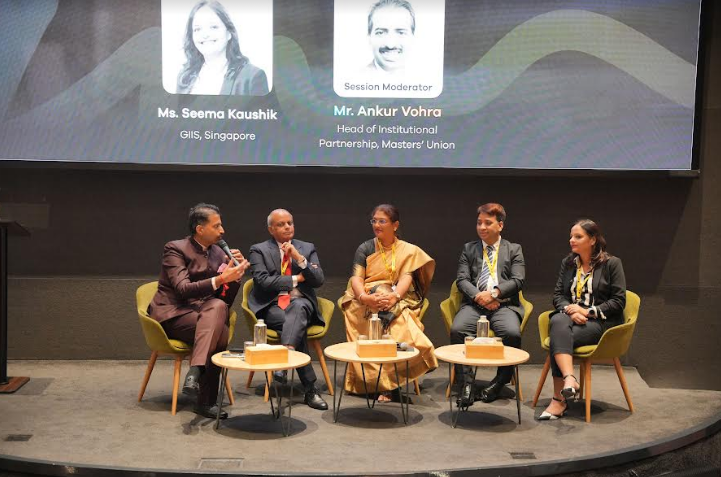
A highlight of Intersect 3.0 was the panel discussion on “Global Best Practices in Bridging the Industry-Academia Divide.” This session featured prominent educators and industry experts, including Asna Nafees of DPS-Modern Indian School, Qatar, Srivalsan Murugan, Principal & CEO of GEMS Education, Sharjah, UAE, Dr. Manish Kr. Semwal from GMIS, Jakarta, Indonesia, and Ms. Seema Kaushik of GIIS, Singapore. Together, they discussed innovative approaches to aligning educational curricula with industry needs. The panellists shared their valuable insights on how different regions across the world are addressing the skills gap and equipping students for the rapidly evolving job market. They also spoke about how the industry-academia gap is real, and it is important to focus on employability rather than just employment.

Another significant panel at Intersect 3.0 focused on “Innovative Collaborations Between Academia and Industry.” The discussion highlighted successful university-industry partnerships across various sectors, with an emphasis on how these models can be adapted for the business domain. The panel included experts such as Dr. Edward Rogers, Chief Knowledge Officer at NASA and Professor at Masters’ Union, Dr. James Oldroyd, former Lecturer at Northwestern University – Kellogg School of Management, Adarsh Khandelwal, Co-Founder of Collegify, and Kavitta B Bedi, Co-Founder & CEO of Head Start Mentorship. These pioneers shared their insights on the challenges and opportunities in fostering collaborations within domains like science, engineering, and beyond.

Dr. Edward Rogers, reflecting on global trends, remarked, “The collaboration between universities and industries in fields like science and engineering has set a benchmark. However, the business sector has yet to fully embrace this integration. Events like Intersect are crucial for initiating this much-needed dialogue.”

The audience at Intersect 3.0 was highly engaged, especially during Barkha Dutt’s fireside chat, which sparked lively discussions. The enthusiasm carried through panels like ‘Global Best Practices in Bridging the Industry-Academia Divide’ and ‘Innovative Collaborations Between Academia and Industry.’ The student panel, ‘Why MU?’ by the UG class of 2027, was particularly praised for showcasing the effectiveness of Masters’ Union’s new-age educational approach.

Mukand Limited Unveils Advanced 16 TPH Boiler to Power Future Growth and Sustainability

30th August 2024: Mukand Limited, a leading name in the steel and engineering industry, proudly inaugurated its state-of-the-art 16 TPH boiler at its facility today. This new installation marks a significant upgrade from the existing 14 TPH boiler, enhancing the plant’s capacity to generate steam at a rated pressure of 17.5 kg/cm². The increased capacity […]

The post Mukand Limited Unveils Advanced 16 TPH Boiler to Power Future Growth and Sustainability first appeared on Business News Week.

Zydus receives final approval from USFDA for Scopolamine Transdermal System 1 mg/3 days

Ahmedabad, India, 30 August, 2024

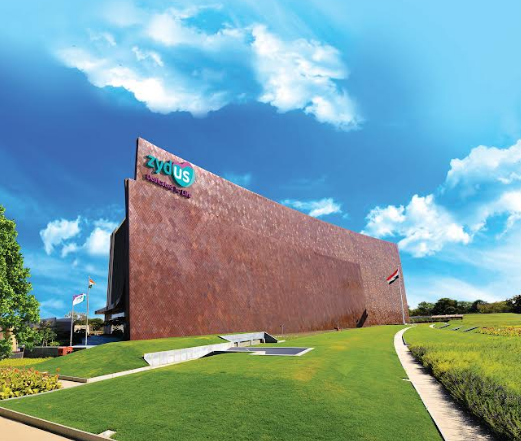
Zydus Lifesciences Limited (including its subsidiaries/ affiliates, hereafter referred to as “Zydus”) has received final approval from the United States Food and Drug Administration (USFDA) to market Scopolamine Transdermal System 1 mg/3 days. (USRLD: Transderm Scop Transdermal System ® 1 mg/3 days). This is the fifth ANDA approval for Zydus in the transdermal portfolio, leveraging the group’s strengths in the manufacturing of complex drug device dosage forms.

zydus

Scopolamine Transdermal System is indicated to prevent nausea and vomiting after anaesthesia, narcotic pain medicines, and surgery. It is also used to prevent nausea and vomiting caused by motion sickness. The Scopolamine Transdermal System will be produced at the group’s transdermal manufacturing site at SEZ, Matoda, Ahmedabad.

Scopolamine Transdermal System 1 mg/3 days had annual sales of USD $69.6 mn in the United States (IQVIA MAT June 2024).

MASSH Hospital Performs Groundbreaking 3D Laparoscopic Surgery on Toddler

In a pioneering advancement in the field of surgical treatment, a 3.7-year-old child has effectively undergone a 3D laparoscopic cholecystectomy for gallstones at MASSH Super Specialty Hospital. The parents of the patient had explored numerous medical facilities where traditional laparoscopy and open surgery were advised, yet they opted for MASSH due to its advanced treatment alternatives.

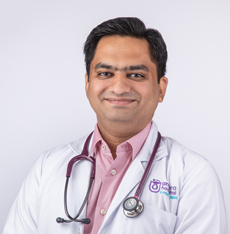
The child was diagnosed with symptomatic gallstones after undergoing an ultrasound. Dr. Sachin Ambekar, the Director of Minimal Access Surgery at MASSH Hospital, performed the surgery. Dr. Ambekar assured the parents about the quick recovery process with minimal risks due to the hospital’s advanced 3D 4K Rubina Imaging System. This cutting-edge technology guarantees a painless and swift recovery, allowing patients to resume normal activities in just a few hours.

“The expertise required in this case is particularly tested, as the abdominal cavity is relatively small compared to adults. The surgery was performed delicately using special instruments designed for such intricate procedures,” stated Dr. Ambekar.

The procedure, conducted by Dr. Sachin Ambekar and anesthesiologist Dr. Amit Garg, was completed in a shorter duration of operating and anesthesia time compared to standard practices. The child was able to walk within five hours post-surgery and was discharged without complications after 16 hours. “The smile on the mother’s face is the true reward for my work. Seeing a happy, painless, and worry-free patient is what I strive for,” added Dr. Ambekar.

The gallstone was 7 mm in size, and the child had been experiencing intermittent abdominal pain for one and a half years. Initially misdiagnosed as abdominal gastritis, the condition was confirmed through an ultrasound. Gallstones in young children are rare and often linked to genetic predisposition, though other causes include blood disorders, obesity, excessive use of birth control pills by the mother and other unknown factors.

Mr. Hanish Bansal, Chairman & Executive Director of MASSH Super Specialty Hospitals, praised the medical team’s expertise, saying, “This surgery showcases our commitment to advanced medical care and innovation. We strive to provide the best possible outcomes for our patients, leveraging the latest technology and our skilled professionals. Also, thanks to the world of innovation where we are able to perform seamless surgeries using 3D 4k vision camera, enhancing both safety and precision.”

Mpox in India: Navigating the Unseen Epidemic with Vigilance and Innovation

 Anandvani1-1-1

By-Dr. Anand Subhash Wani, Consultant Paediatrician & Paediatric Allergy

The resurgence of Mpox, previously known as Monkeypox, has brought about renewed concerns in India, as the country grapples with a steady increase in confirmed cases. The spread has been particularly pronounced in urban centres such as Kerala, Delhi and Maharashtra, and has primarily been tested in Indians travelling from African and Middle Eastern countries.

The demographics of those affected reveal that the virus predominantly impacts young adults between the ages of 20 and 40, with a male-to-female ratio of 3:1. Despite the rising number of cases, the mortality rate has remained low, with a case fatality rate (CFR) of 1.5%. Most patients have shown recovery within 2 to 4 weeks, though individuals with compromised immune systems or pre-existing health conditions are at a higher risk of severe outcomes.

In response to the growing threat, India has bolstered its public health initiatives, including testing and quarantine of symptomatic and infected individuals. The process of development of vaccine has also been initiated. Testing and surveillance have been intensified across the country. The Indian Council of Medical Research (ICMR) has expanded testing capabilities, with over 500,000 samples tested so far. The positivity rate has stabilized at approximately 0.04%, suggesting that the containment measures are effective. On a global scale, India accounts for about 0.03% of Mpox cases worldwide, underscoring the importance of sustained vigilance and proactive health measures.

Mpox typically presents with a set of flu-like symptoms, including fever, headache, muscle aches, chills, and exhaustion, often accompanied by swollen lymph nodes. These initial symptoms are followed by the development of a rash, which usually begins 1 to 3 days after the onset of fever. The rash progresses from flat, red spots to raised bumps, and then to fluid-filled blisters, which may turn into pustules. It often starts on the face and spreads to other parts of the body, including the hands, feet, and mucous membranes. The blisters eventually crust over and fall off, and the illness generally lasts 2 to 4 weeks.

Paediatric data for Hyderabad indicates that children have been less affected compared to adults, with children under the age of 15 accounting for approximately 10% of the total cases in the city. Paediatric cases have generally presented with milder symptoms, including fever, fatigue, headache, and rash. Most children have recovered within the typical 2 to 4 weeks, with severe cases being rare. Healthcare providers have remained vigilant, ensuring appropriate care and considering antiviral treatments like Tecovirimat for children with severe symptoms or underlying conditions. Preventive measures in households with infected individuals are emphasized to protect children from exposure.

While there is no specific cure for Mpox, treatment options have seen significant advancements. Supportive care remains the cornerstone, focusing on managing fever, pain, and dehydration. Antiviral medications, such as Tecovirimat (TPOXX), have been introduced and are used in severe cases or for those at high risk of complications. Tecovirimat works by inhibiting the virus’s ability to spread to other cells and has been approved for emergency use in several countries, including India. Other antivirals like Cidofovir and Brin cidofovir have been explored as potential treatments, though their use is more limited due to side effects. Vaccinia Immune Globulin (VIG) has also been utilized in cases with severe complications, providing passive immunity against the virus.

For those affected, symptomatic treatment includes topical care for skin lesions to prevent secondary infections, along with the use of antibiotics when necessary. Isolation and infection control remain critical components of treatment to prevent the spread of the virus. Patients with confirmed Mpox are isolated until all lesions have healed completely.

To stay clear of the disease, public health experts advise avoiding close contact with individuals diagnosed with Mpox, especially those with visible skin lesions or rashes. Regular handwashing with soap and water, or using an alcohol-based hand sanitizer, is also recommended, particularly after coming into contact with potentially contaminated surfaces or materials. Vaccination remains the most effective preventive measure for those in high-risk groups, and public health officials emphasize the importance of staying informed about potential outbreaks and following guidance from health authorities.

As India navigates through this health challenge, it is crucial to remember that the battle against Mpox is far from over. Continued surveillance, robust vaccination drives, and widespread public awareness are essential to preventing a resurgence. The efforts made thus far have positioned India well in managing the outbreak, but sustained dedication and vigilance will be key in ensuring the nation remains resilient against future threats posed by Mpox.

Disclaimer: The information contained in this press release is provided by a third party and does not necessarily reflect the views or opinions of our organization. We do not endorse or guarantee its accuracy.

APSEZ acquires 80% stake in global OSV operator Astro Offshore for USD 185 Mn

Hyderabad: 30th August, 2024: Adani Ports and Special Economic Zone Ltd (APSEZ), India’s largest ports and logistics company, has entered into a definitive agreement to acquire 80% stake in Astro, in an all-cash deal for USD 185 million, implying an EV of USD 235 million and EV / FY25E EBITDA at 4.4x. The transaction is expected to be value accretive from the first year itself.

Incorporated in 2009, Astro is a leading global OSV operator in the Middle East, India, Far East Asia and Africa. Astro owns a fleet of 26 OSVs comprising of Anchor Handling Tugs (AHTs), flat top barges, Multipurpose Support Vessels (MPSVs) and workboats and provides vessel management and complementary services. During the year ending 30 April 2024, Astro posted USD 95 million revenue and USD 41 million EBITDA. As of 30 April 2024, Astro was net cash positive.

Astro has an impressive roster of Tier-1 customers including NMDC, McDermott, COOEC, Larsen & Toubro and Saipem. Astro is a key player in the offshore construction & fabrication and offshore transportation markets. Astro’s pre-qualified status with major global EPC contractors and the ability to deliver a variety of ocean-going vessels has enabled it to build a roster of Tier-1 customers in the oil & gas industry. Astro’s deep experience in supporting the construction and maintenance of offshore platforms, oil & gas fields and subsea facilities allows it to deliver cutting-edge services to clients in the offshore exploration & drilling markets. Astro’s vessels also support multiple operations for leading international dredging companies, including large offshore construction and land reclamation projects. Astro leverages an efficient mix of medium to long-term contracts with customers, which allows it to maintain high fleet utilization and benefit from increasing charter rates, driven by limited supply of OSV fleet globally.

“Astro’s acquisition is part of our roadmap to becoming one of the world’s largest marine operators. Astro will add 26 OSVs to our current fleet of 142 tugs and dredgers, taking the total count to 168. The acquisition will also give us access to an impressive roster of Tier-1 customers while further consolidating our footprint across the Arabian Gulf, the Indian subcontinent and Far East Asia. We look forward to working closely with Astro’s leadership team and scaling up the current platform,” said Mr Ashwani Gupta, Whole-time Director & CEO, APSEZ.

“Over the past 15 years, we have created an impressive company trajectory, driven by strategic investments in our OSV fleet and deep relationships with our customers. This partnership with APSEZ represents a critical inflection point for us. Together, we can accelerate growth to add further scale and diversity to our fleet mix, expand our geographical footprint and deliver more end-to-end solutions to our customers,” said Mr Mark Humphreys, Managing Director, Astro Offshore.