
Sambalpur, August 1, 2026 – Western Odisha celebrated Sambalpuri Din with vibrant cultural programmes, traditional attire, and community participation on Saturday, honouring the region’s unique language, heritage, and centuries-old traditions.
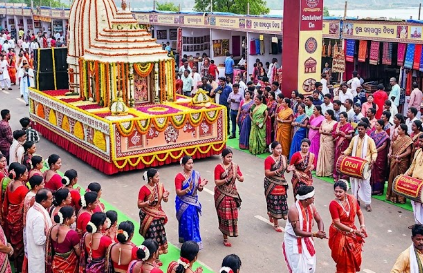
Observed every year on August 1, Sambalpuri Din commemorates the birth anniversary of Guru Satya Narayan Bohidar, the respected scholar and literary figure who dedicated his life to preserving and promoting the Sambalpuri language and literature.
People across western Odisha marked the occasion by wearing traditional Sambalpuri handloom, celebrating regional cuisine, and participating in cultural events that showcased the region’s folk music, dance, art, and traditions. The celebrations reflected the deep connection people share with their linguistic and cultural identity.
Guru Satya Narayan Bohidar’s contribution remains central to the recognition and growth of Sambalpuri language and literature. His pioneering work, “Sambalpuri Bhasakosh”, the first dictionary of the language, played a crucial role in documenting and strengthening Sambalpuri’s distinct identity. His literary creations continue to inspire efforts to preserve the region’s cultural heritage.
Sambalpuri is spoken widely across western Odisha, including districts such as Sambalpur, Balangir, Jharsuguda, Kalahandi, Boudh, Sundargarh, Deogarh, Nuapada, and Subarnapur. Beyond being a language, it represents the region’s folk traditions, handloom craftsmanship, music, dance forms, festivals, and way of life.
On the occasion, leaders and cultural representatives called for continued efforts to protect and promote Sambalpuri heritage. Chief Minister Mohan Charan Majhi highlighted that Sambalpuri language, folk arts, music, dance, handloom, and traditions are symbols of Odisha’s pride and cultural identity.
The celebrations of Sambalpuri Din reflected the pride and passion of the people of western Odisha, reaffirming the importance of preserving regional languages and traditions while carrying them forward for future generations.