Strategic investments in millets, crop diversification, mechanisation, and agri-enterprises aim to build a resilient and farmer-centric agricultural economy.
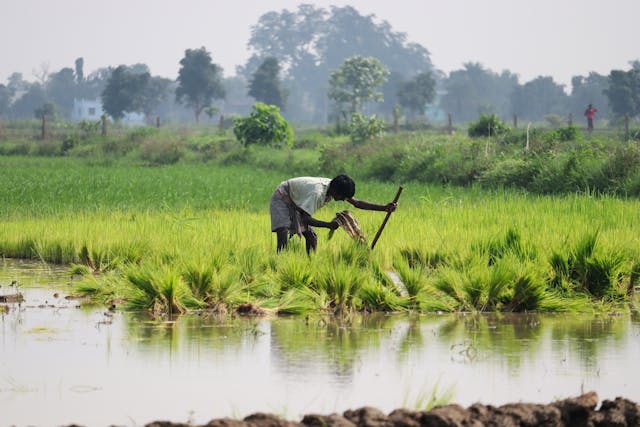
Pic Credit: Pexel
Agriculture remains the backbone of rural livelihoods in Odisha, supporting millions of farmers and farm workers across the state. In its latest budget, the government has outlined a comprehensive roadmap to strengthen food security, diversify crops, and empower farmers through targeted investments. The focus is clear: build a resilient agricultural ecosystem that supports both farmers’ incomes and long-term sustainability.
The state’s 2026 budget places strong emphasis on modernising agriculture while preserving traditional strengths. With dedicated funding for millets, crop diversification, mechanisation, and agri-based entrepreneurship, the initiative reflects a broader vision of transforming Odisha’s rural economy.
Strengthening food security and empowering farmers#OdishaBudget2026 allocates ₹400 crore for Shree Anna Abhiyan, ₹469 crore for Crop Diversification, ₹150 crore for coffee cultivation, ₹400 crore for Farm Mechanisation and ₹441 crore to support agri-enterprises and… pic.twitter.com/Mzzz6z4jej
— CMO Odisha (@CMO_Odisha) March 15, 2026
Reviving Millets Through the Shree Anna Abhiyan
One of the standout allocations in the budget is ₹400 crore for the Shree Anna Abhiyan, a programme focused on promoting millets—often referred to as “Shree Anna” or sacred grains.
Millets have long been part of traditional farming systems in Odisha, especially in tribal and rain-fed regions. They are resilient crops that require less water, tolerate harsh weather conditions, and offer high nutritional value. With rising concerns about climate change and food security, millets are regaining attention as a sustainable alternative to water-intensive crops.
The Shree Anna Abhiyan aims to expand millet cultivation, improve productivity, and strengthen market linkages for farmers. By encouraging millet production, the government hopes to achieve multiple goals: support climate-resilient agriculture, improve nutritional security, and create new income opportunities for farmers.
Encouraging Crop Diversification
Another key focus area in the budget is crop diversification, with an allocation of ₹469 crore. For decades, many farmers have relied heavily on a limited number of crops, particularly paddy. While rice remains an important staple, dependence on a single crop can expose farmers to risks such as price fluctuations, pest outbreaks, and climate-related disruptions.
The crop diversification initiative seeks to encourage farmers to cultivate a wider range of crops—including pulses, oilseeds, horticultural crops, and other high-value produce. Diversified farming systems not only reduce risk but also enhance soil health and improve farm incomes.
For many farmers, shifting to diversified cropping patterns can open new market opportunities and create a more stable agricultural livelihood.
Promoting Coffee Cultivation
Recognising the potential of high-value crops, the state budget has also earmarked ₹150 crore for coffee cultivation. Odisha’s hilly and tribal regions, particularly in districts such as Koraput, have shown promising potential for coffee production.
Over the past few years, coffee from these regions has gained attention for its unique quality and flavour profile. Expanding coffee cultivation could help farmers access premium markets while also promoting sustainable agroforestry practices.
Beyond economic benefits, coffee plantations often support biodiversity and provide a stable source of income for small farmers in upland areas.
Modernising Agriculture Through Mechanisation
Farm mechanisation is another major pillar of the government’s agricultural strategy. The budget allocates ₹400 crore to promote farm mechanisation, aiming to improve efficiency and reduce the labour burden on farmers.
Access to modern equipment can significantly enhance productivity, especially for small and marginal farmers who often struggle with labour shortages and rising cultivation costs. Mechanisation can also help farmers complete critical farming operations—such as sowing and harvesting—within optimal timeframes, improving overall yields.
By expanding access to agricultural machinery and technology, the government hopes to make farming more efficient, profitable, and attractive for the next generation.
Boosting Agri-Enterprises and Rural Services
Agriculture today extends beyond cultivation alone. Value addition, processing, logistics, and agri-services play an increasingly important role in strengthening rural economies.
Recognising this, the budget sets aside ₹441 crore to support agri-enterprises and agri-service centres. These initiatives aim to create new opportunities for rural entrepreneurship while providing farmers with easier access to essential services.
Agri-service centres can offer equipment rental, technical advice, and support for modern farming practices. Meanwhile, agri-enterprises can drive value addition through food processing, storage, and supply chain development.
Such initiatives not only generate employment in rural areas but also ensure that farmers receive better returns for their produce.
Toward a Resilient Agricultural Future
The combined investments outlined in the budget signal a strong commitment to strengthening Odisha’s agricultural sector. By promoting climate-resilient crops, encouraging diversification, expanding high-value cultivation, and modernising farming practices, the government aims to create a more sustainable and prosperous rural economy.
At its core, the vision is about empowering farmers—helping them move beyond subsistence agriculture toward a more secure and profitable future.
For millions of farming families across Odisha, these initiatives represent more than budget allocations. They reflect a broader promise: that agriculture will remain not just a way of life, but a pathway to dignity, stability, and opportunity.
As the state continues its journey toward inclusive growth, the seeds being sown today may well shape a stronger and more resilient agricultural landscape for years to come.

No Responses