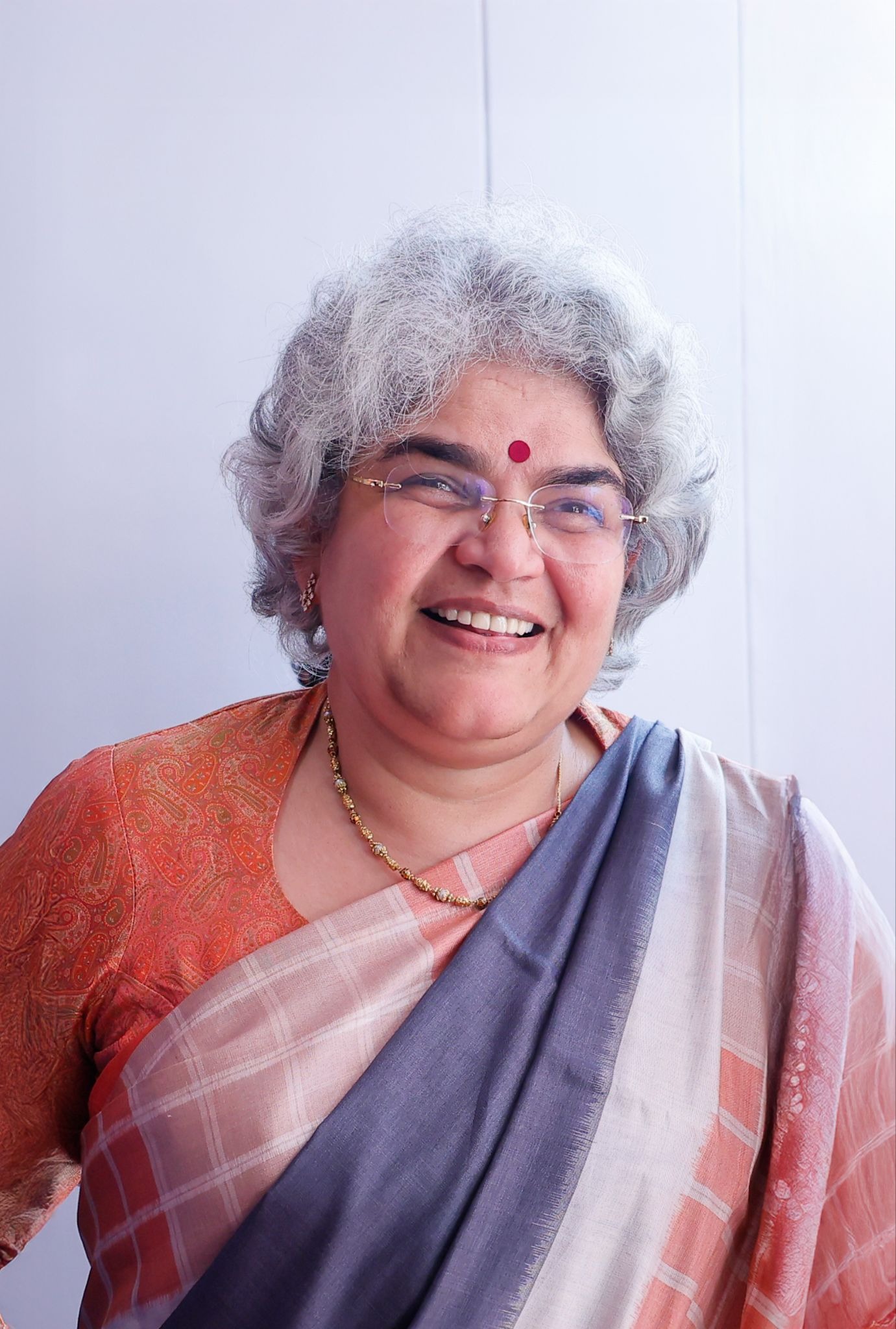
By- Dr. Gayathri Vasudevan, Chief Impact Officer, Sambhav Foundation
“Women everywhere are negotiating work, care, safety, and aspiration within systems that are still evolving to integrate these realities. Now imagine navigating those same systems while also being financially vulnerable, informally employed, or living with a disability. The barriers multiply, access to education narrows, mobility becomes restricted, digital systems feel distant, and entry into formal markets remains elusive.
At a workforce level, women face limited access to skilling, restricted mobility, unsafe work environments, and exclusion from formal value chains. At home, stigma, financial illiteracy, limited control over income, and the disproportionate burden of caregiving quietly shape their choices. At a community level, opportunities are often inadequate, and economic systems frequently assume male mobility, asset ownership, and unrestricted time, effectively designing women out of upward mobility.
If we want meaningful progress, we must invest in structural access, including accessible skilling, safe hostels and workplaces, pathways into gig and part-time roles, and mechanisms that enable safe migration and entry into male-dominated sectors. But skilling alone is insufficient. Capacity building must work in tandem. For example, including health security, economic literacy, digital confidence, and the ability to make informed choices about modes of work will enable women to sustain employment, negotiate fairer terms of work, and make upward mobility a deliberate choice rather than a fragile opportunity..
Equally important is recognising the economic potential within the clusters and communities where women already live and work. When we strengthen local production ecosystems and enable women to tap into existing demand-supply patterns around them, agency becomes tangible. Through Sambhav’s cluster-based livelihood interventions, we have seen that when skilling, capacity building, and market integration are designed together, outcomes are measurable: incomes stabilise, women transition into structured value chains, and decision-making power shifts within households.
The true progress of a community is reflected in whether women at its margins can participate in, shape its economic growth, and eventually move toward decision-making thresholds – all of this without having to choose between caregiving and opportunity.”
No Responses