By:- Gourab
Deep in the culturally rich landscapes of Kotpad, a unique and vibrant festival known as Ghata Parab (or Ghata Jatra) continues to thrive as a powerful expression of tribal identity, spirituality, and communal harmony. Celebrated across southern Odisha, this festival is dedicated to Maa Shitala Thakurani, a revered goddess believed to protect her devotees, prevent diseases, and fulfill their wishes.
Blending devotion, folklore, ecology, and strong family values, Ghata Parab is not merely a festival—it is the soul of Kotpad’s cultural identity and a living reflection of its traditions.
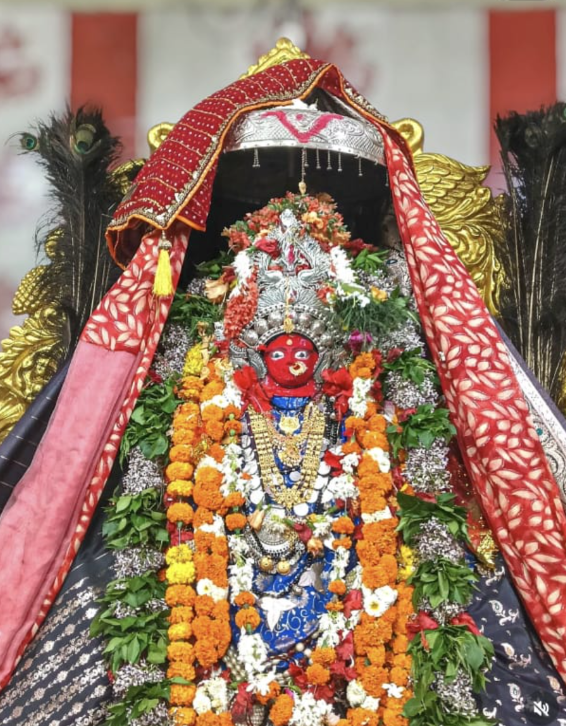
A Rare and Powerful Celebration
Ghata Parab holds a special place among regional festivals due to its grand celebration, which traditionally occurs once every three years. This makes it a highly anticipated spiritual event, drawing thousands of devotees from nearby regions such as Jagdalpur and the Bastar belt.
The festival typically unfolds over nine sacred days, transforming Kotpad into a vibrant hub of devotion, music, ritual, and cultural expression.
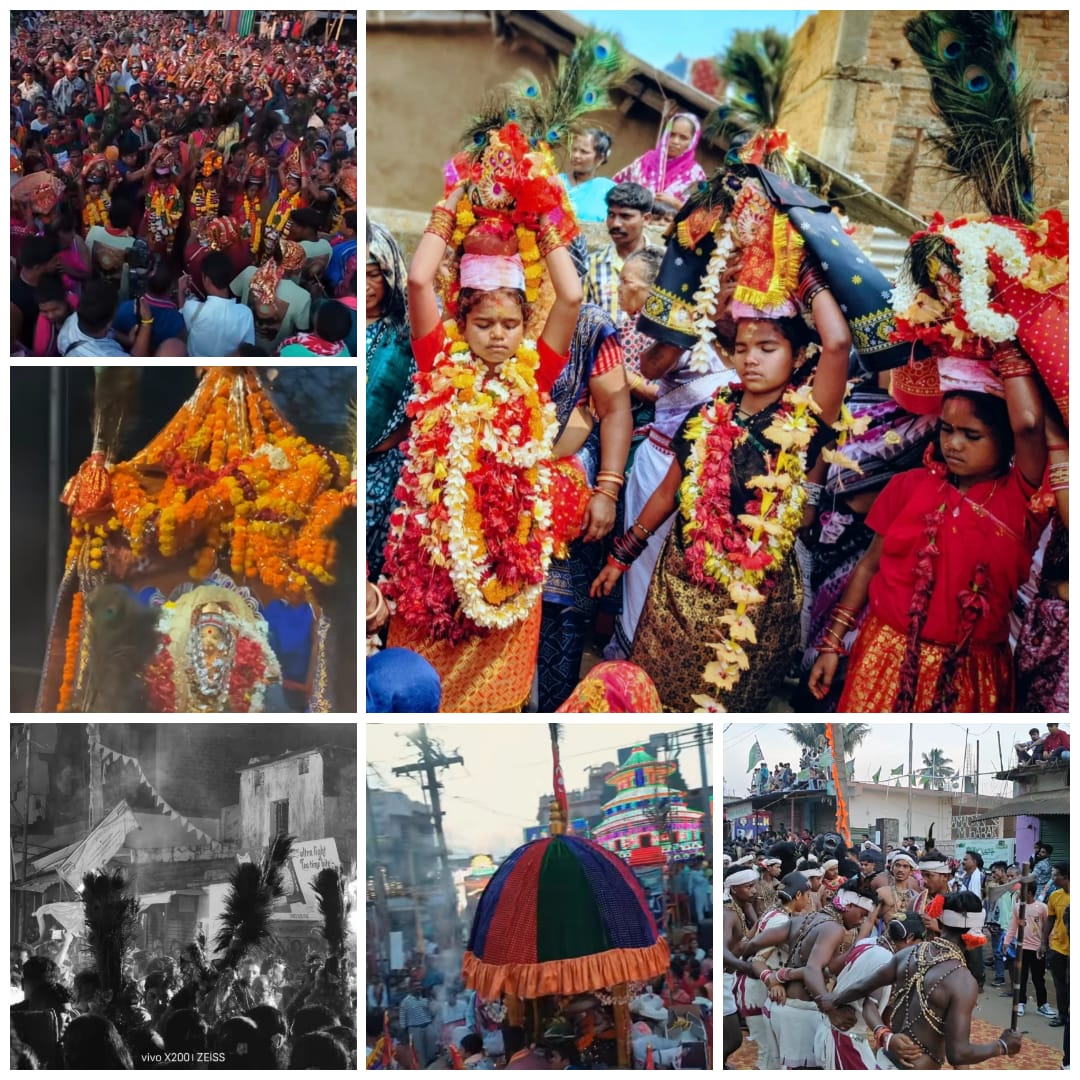
A Festival That Unites Families
One of the most defining aspects of Ghata Parab is its deep emphasis on family and community bonding. During these nine days, families from near and far gather in their ancestral homes to worship Maa Shitala together.
Homes are filled with relatives, traditional meals are prepared, and rituals are performed collectively. It becomes a time of reunion, where generations come together to seek blessings for health, prosperity, and protection. This shared devotion strengthens emotional ties and reinforces cultural continuity.
Understanding Ghata Parab: Meaning and Roots
The term “Ghata” refers to the sacred earthen pot, while “Parab” means festival. At its core, Ghata Parab is both a religious and agrarian celebration, symbolizing fertility, prosperity, and gratitude toward nature.
Celebrated during the month of Chaitra (March–April), it aligns with the broader Chaitra Parba traditions of the Koraput region. It is a time when daily work pauses, allowing the entire community to focus on spiritual renewal and celebration.
The Sacred Nine Days: A Journey of Devotion
Each of the nine days carries its own spiritual significance, representing a gradual progression from invocation to fulfillment:
-
Day 1 – Invocation (Aahwan): The goddess is invoked, and sacred ghatas are prepared and consecrated.
-
Day 2 – Purification: Homes and surroundings are cleaned, symbolizing physical and spiritual cleansing.
-
Day 3 – Community Worship: Collective prayers unite the village under shared faith.
-
Day 4 – Offerings: Devotees present food, flowers, and grains to the goddess.
-
Day 5 – Cultural Expression: Folk songs, dances, and storytelling begin to flourish.
-
Day 6 – Strengthening Faith: Rituals and vows are observed for protection and healing.
-
Day 7 – Processions Begin: Ghatas are carried through the town in vibrant processions.
-
Day 8 – Peak Celebration: Cultural performances like Bagha Nacha (tiger dance) energize the festival.
-
Day 9 – Kalash Jatra: A massive procession culminates at the sacred Maa Kutumbeswari Pitha, marking fulfillment and blessings.
The Sacred Ghata and Rituals
The Ghata—a sanctified earthen pot—serves as the spiritual centerpiece of the festival, symbolizing the presence of Maa Shitala. These pots are decorated with natural elements and carried with devotion during processions.
Rituals are traditionally conducted by members of the Mali and Bhadra communities, guided by priests and elders who ensure the preservation of age-old customs. Women play a significant role, often carrying the ghatas and leading devotional songs.
A Spectacle of Folk Art and Cultural Expression
Ghata Parab is as much a cultural festival as it is a religious one. The town comes alive with music, dance, and dramatic performances that narrate mythological stories and tribal traditions.
One of the highlights is the Bagha Nacha, where performers dressed as tigers enact energetic dances. Costumed portrayals of deities like Kali, Shiva, and Durga further enhance the festive atmosphere, turning Kotpad into a vibrant stage of devotion and storytelling.
Traditional handwoven textiles—especially the famous Kotpad handlooms with natural dyes—add color and authenticity to the celebrations.
A Celebration Rooted in Nature
Beyond rituals, Ghata Parab reflects a deep respect for nature. The use of earthen pots, natural decorations, and agrarian symbolism highlights a sustainable way of life.
The festival reinforces the belief that humans are intrinsically connected to the environment, and honoring nature is essential for collective well-being.
Community Harmony and Cultural Preservation
During Ghata Parab, social barriers dissolve as the entire community participates in shared rituals and celebrations. It is a time of unity, cooperation, and cultural pride.
Elders pass down traditions, stories, and values to younger generations, ensuring that the festival remains relevant in a rapidly modernizing world. Despite challenges like urbanization and migration, efforts are being made to preserve this rich heritage.
Conclusion
Ghata Parab of Kotpad is more than a festival—it is a celebration of faith, family, nature, and cultural resilience. From the sacred ghata rituals and nine-day spiritual journey to the vibrant folk performances and grand finale procession, every element reflects a deep connection between people and their traditions.
As families gather, prayers echo through the streets, and devotion fills the air, the spirit of Maa Shitala Thakurani continues to inspire and unite generations keeping the timeless legacy of Kotpad alive.

No Responses