
New Delhi/Cairo, Nov 16: India and Egypt have stepped up efforts to deepen their economic partnership, agreeing to establish a Joint Working Group to explore the framework for a Preferential Trade Agreement (PTA) or Free Trade Agreement (FTA), as bilateral trade between the two countries continues to expand.
Pic credit: x.com/PiyushGoyal
The decision was taken at the 7th India–Egypt Joint Trade Committee (JTC) meeting, co-chaired by Union Commerce and Industry Minister Piyush Goyal and Egypt’s Minister of Investment and Foreign Trade, Mohamed Farid Saleh, at Egypt’s New Administrative Capital on Monday. For the first time, the bilateral trade mechanism was convened at the ministerial level, reflecting the growing strategic importance of economic cooperation between the two countries.
Both governments reaffirmed their ambition to increase bilateral trade to $12 billion, building on the strong growth recorded in recent months. Trade between India and Egypt rose 35 per cent to $6.5 billion in the 2025-26 financial year. The momentum has continued into the current fiscal year, with bilateral trade climbing 65 per cent to $5.04 billion during April–September 2026, compared with $3.08 billion in the corresponding period last year.
The proposed trade agreement is expected to provide a more predictable framework for businesses, improve market access, encourage investment and address existing barriers to commercial exchanges. The Joint Working Group will examine the terms of reference for either a preferential or comprehensive free trade arrangement.
Beyond trade expansion, the discussions focused on easing non-tariff barriers, streamlining customs procedures, harmonising standards and conformity assessments, and resolving regulatory hurdles, including product registration requirements that have affected businesses operating in both markets.
Focus on manufacturing, pharmaceuticals and technology
India and Egypt identified several sectors with significant potential for deeper commercial engagement, including pharmaceuticals, medical devices, chemicals, fertilisers, engineering goods, electrical equipment, textiles, automobiles, renewable energy and agricultural products.
Addressing the meeting, Goyal highlighted five major areas of complementarity: pharmaceuticals and healthcare; engineering and automobile manufacturing; agriculture and food processing; digital technology and fintech; and cultural cooperation.
He also emphasised opportunities to strengthen digital connectivity through UPI linkages, local-currency trade and India’s Digital Public Infrastructure. Cultural collaboration between the Grand Egyptian Museum and India’s upcoming Yuge Yugeen Bharat National Museum was also discussed, particularly in conservation, curation and digitisation.
The two sides further explored ways to strengthen cooperation between Invest India and Egypt’s General Authority for Investment and Free Zones (GAFI), including the proposed development of a digital platform to exchange investment information and facilitate business partnerships.
Egypt’s strategic position around the Suez Canal, together with its access to African, Arab and European markets, makes it an attractive destination for Indian companies looking to expand manufacturing and export operations. India, meanwhile, offers Egyptian businesses access to a large consumer market, expanding industrial capabilities and opportunities in technology and services.
Over 300 companies explore business opportunities
The ministerial discussions were accompanied by the India–Egypt Business Forum, which brought together more than 300 companies and business representatives from both countries to explore investment, manufacturing and trade opportunities.
Addressing the gathering, Goyal outlined a four-point action agenda ahead of the 80th anniversary of diplomatic relations between India and Egypt in 2027. The priorities include resolving identified trade barriers within a fixed timeline, encouraging Egyptian investments in Indian states and industrial clusters, bringing smaller suppliers into major business partnerships, and introducing annual reviews to monitor progress and convert discussions into commercial agreements.
Emphasising the potential for joint manufacturing, Goyal said the ambition should be to create products carrying the labels, “Made in Egypt, with India” and “Made in India, with Egypt”.
The forum also showcased investment opportunities in Egypt’s industrial zones and the Suez Canal Economic Zone, with presentations by GAFI and the Suez Canal Economic Zone authorities. Indian companies already operating in Egypt, including TCI Sanmar, Galaxy Chemical and Abdos, shared their experiences and highlighted opportunities for expanding industrial production, employment and exports.
Business representatives explored partnerships across chemicals, pharmaceuticals, engineering, automotive components, food processing, textiles, renewable energy and logistics.
A dedicated digital economy session brought together Indian technology companies and Egyptian industry stakeholders to discuss enterprise technology, digital transformation, innovation and potential technology partnerships. Representatives from companies including Zoho and Datamorphosis participated alongside Egyptian technology-sector organisations.
Investment ties gain further momentum
The 6th India–Egypt Joint Business Council meeting, also held at the New Administrative Capital, provided another platform for businesses to identify practical areas of cooperation.
Discussions covered chemicals and petrochemicals, healthcare, agri-business, renewable energy, green hydrogen, infrastructure, ports, logistics, information technology, textiles and automotive manufacturing. Participants also examined the possibility of establishing sector-specific working groups, improving business visa processes and organising reciprocal trade missions during 2026-27.
Indian investments in Egypt already exceed $5.5 billion, highlighting the depth of existing commercial engagement and the scope for further expansion. Both countries are looking to encourage two-way investments, joint ventures, technology transfers and manufacturing partnerships that can serve domestic markets as well as international supply chains.
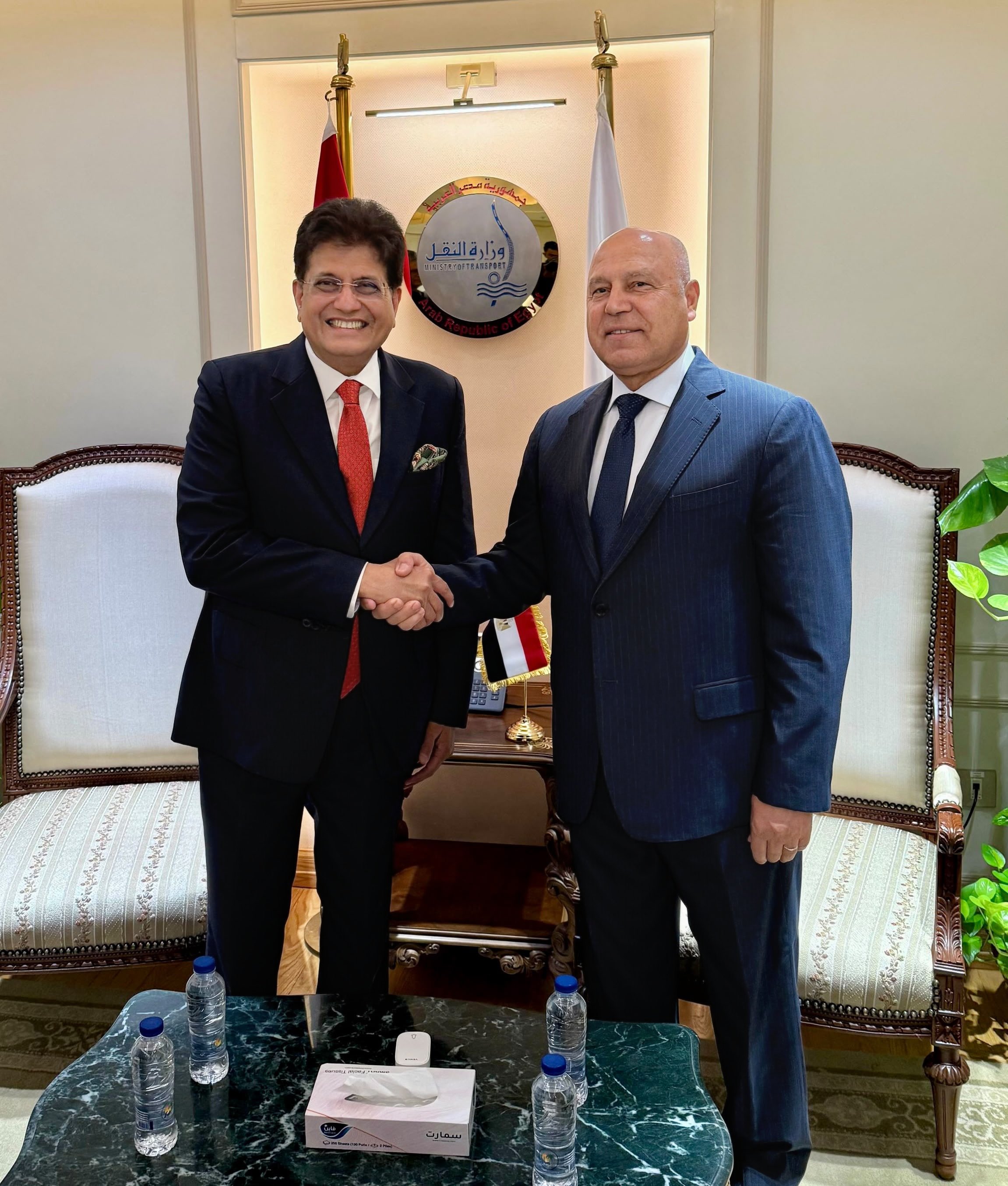
During his visit, Goyal also held separate bilateral meetings with Saleh and Egypt’s Industry Minister, Khaled Hashem. Discussions with Saleh covered trade expansion, investment facilitation, pharmaceuticals, fertilisers, market access and visa-related concerns affecting Indian businesses.
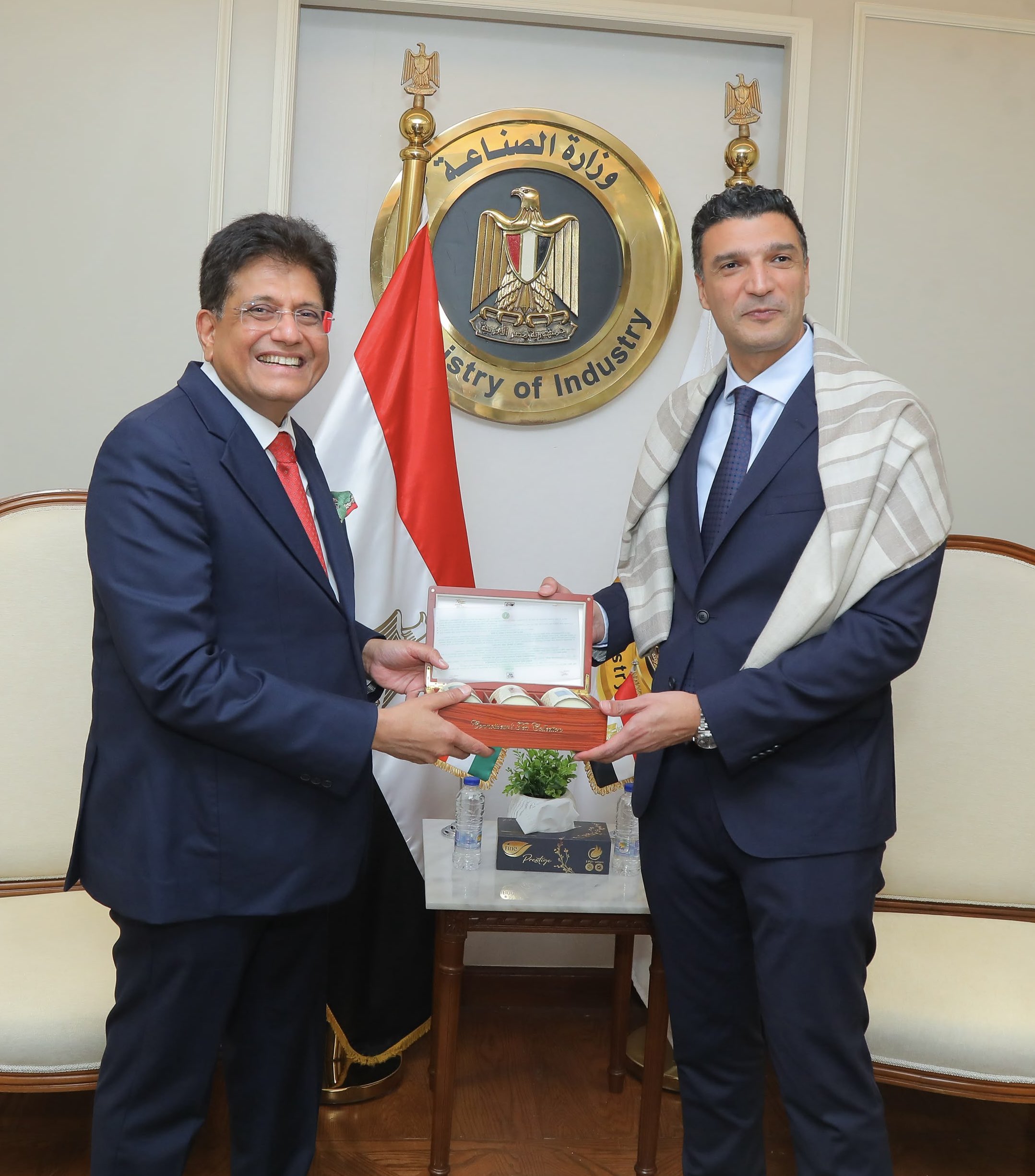
In his meeting with Hashem, Goyal explored opportunities for closer industrial cooperation, particularly in manufacturing partnerships, industrial development, MSME collaboration, automation and advanced manufacturing technologies.
The visit builds on the September 2026 meeting between Prime Minister Narendra Modi and Egyptian President Abdel Fattah El-Sisi on the sidelines of the BRICS Summit in India. The latest engagements seek to translate the political momentum behind the India–Egypt Strategic Partnership into tangible economic outcomes.
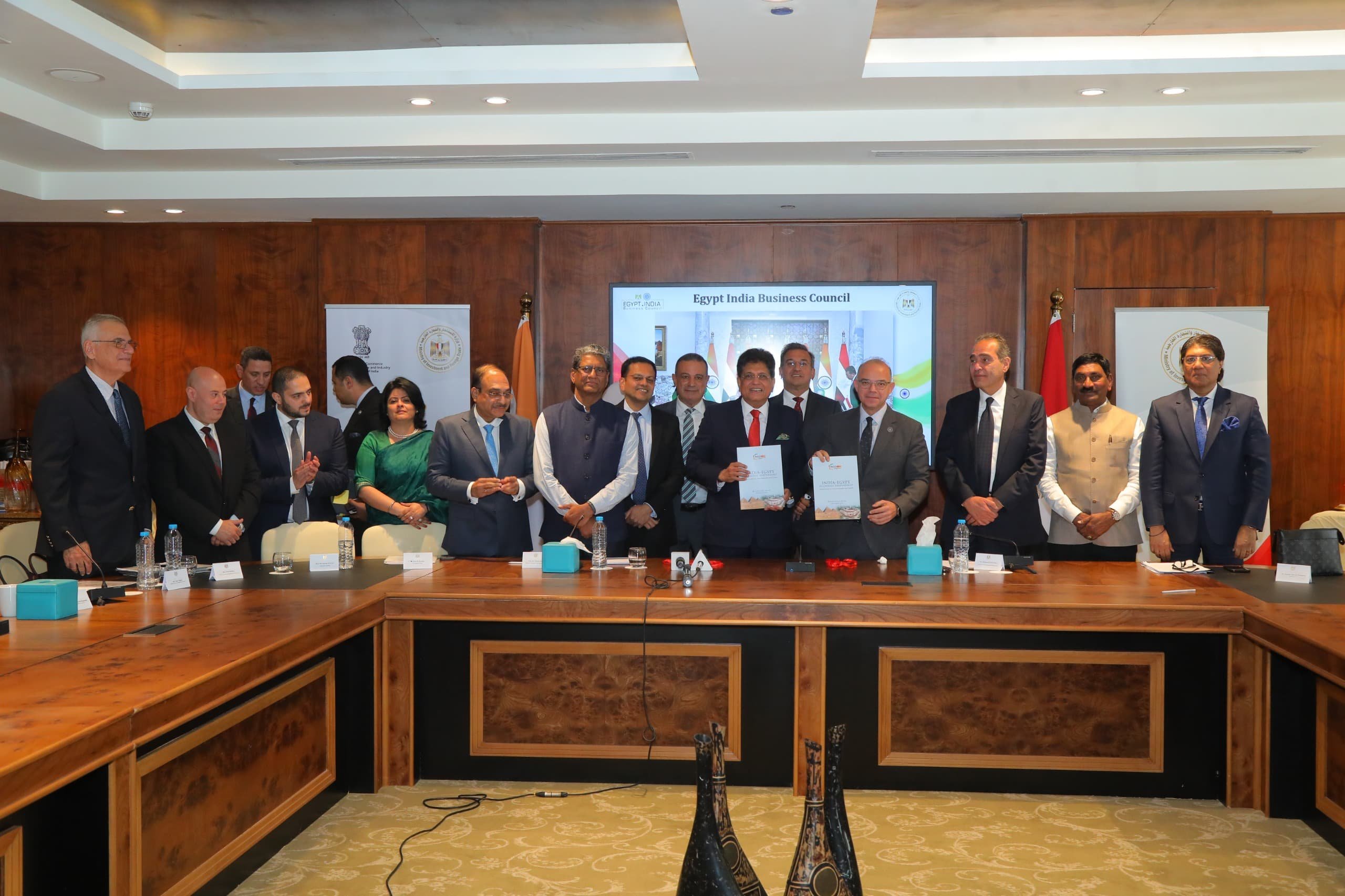
The two sides agreed to hold the next Joint Trade Committee meeting in New Delhi in 2028, or earlier if mutually convenient.
With bilateral trade gaining momentum and businesses increasingly looking beyond traditional areas of cooperation, the proposed trade pact could mark an important step in positioning India and Egypt as stronger manufacturing, investment and supply-chain partners across Asia, Africa, Europe and the Middle East.