
Bhubaneswar, Sept. 18 (UDN): The Odisha Government has introduced a Standard Operating Procedure (SOP) to ensure timely payment of court-ordered maintenance and alimony, including provisions for direct deduction from the salaries of government employees.
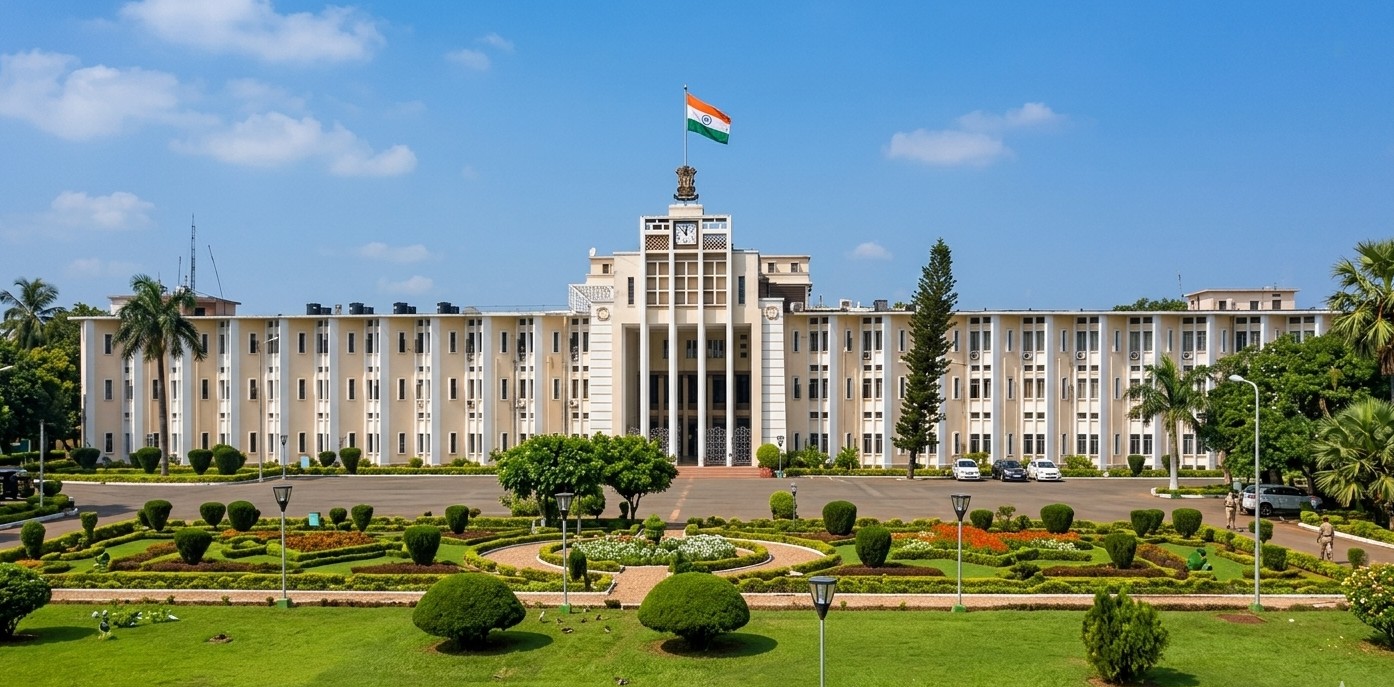
Representational Image
The procedure, issued for immediate implementation across departments, follows reports of delays by some employees in complying with judicial orders. The government said such delays can cause financial hardship to dependent spouses, children and parents and may force beneficiaries to repeatedly approach courts for execution of orders.
Salary deduction through HRMS
Under the new mechanism, a Drawing and Disbursing Officer (DDO) receiving a certified and operative court order for recovery of maintenance or alimony will record the amount as a “Private Deduction” in the employee’s monthly pay bill through the Human Resource Management System (HRMS).
The deducted amount will initially be credited from the Treasury to the Government Current Account mapped to the concerned DDO before being transferred to the beneficiary.
Before releasing the first payment, the DDO will have to verify the authenticity and validity of the court order, confirm that it remains operative and authenticate the beneficiary’s identity and bank account details.
A signed undertaking from the beneficiary, in the prescribed format, will also be required.
Payment directly to beneficiary
Once the verification process is completed, the DDO will transfer the deducted amount directly into the beneficiary’s verified bank account through electronic modes such as NEFT, RTGS or ECS.
The SOP places responsibility on the DDO to ensure that deductions are made strictly in accordance with the court order and that payments reach the beneficiary without unnecessary delay.
All records relating to salary deductions, Treasury credits and subsequent transfers will have to be maintained for reconciliation and audit purposes.
Six-monthly physical verification
The procedure also requires beneficiaries to appear before the concerned DDO twice a year for physical verification.
The first verification will be conducted in April, followed by another six months later in November.
Beneficiaries will have to submit an undertaking acknowledging that subsequent payments may be withheld if they fail to complete the required verification within the stipulated period.
In such cases, the DDO will suspend further disbursements until the beneficiary completes the verification process. Details of each verification will also have to be recorded.
Interim arrangement
The Odisha Government has described the new procedure as an interim mechanism pending development of a fully integrated and automated system under HRMS/IFMS.
The proposed system is expected to streamline salary deductions, accounting and direct electronic transfer of court-ordered maintenance and alimony to beneficiaries.
The SOP is aimed at strengthening compliance with judicial orders while establishing a uniform procedure for handling maintenance and alimony payments involving government employees.